About

About Aoshan Oil Terminal in Zhoushan, China

Aoshan Oil Terminal represents petroleum storage and marine terminal infrastructure located on Aoshan Island in Zhoushan, Zhejiang Province.

The location forms part of the wider Zhoushan petroleum logistics network serving crude oil, petroleum products and maritime energy supply chains.

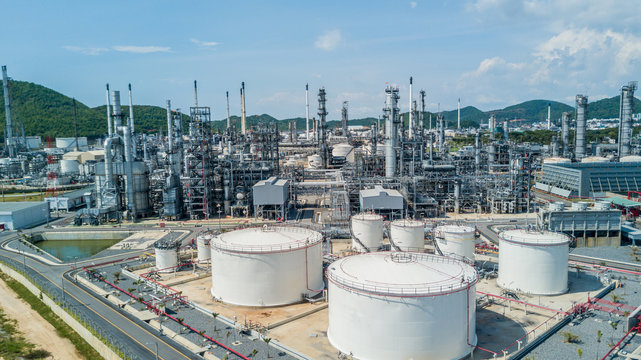
Wide view of Aoshan energy infrastructure and refinery operations
Company / ZhoushanInfrastructure positioned for regional energy trade

Company overview

Aoshan’s Petroleum Storage & Shipping Links

Aoshan Island has been associated with large-scale petroleum storage and marine operations for decades.

Its location near the East China Sea shipping network provides direct access to maritime routes serving Zhejiang, Shanghai and the wider Yangtze River Delta.

The combination of deep-water marine access, petroleum storage facilities and terminal infrastructure has established Aoshan as an important point in regional oil transportation.

Aoshan Island, Zhoushan, Zhejiang, China.

Operating context

Zhoushan maritime position

  • Energy logistics gateway
  • Marine terminal operations
  • Petroleum storage
  • Regional trade support

History

Aoshan Island in the Petroleum Logistics Network

  • Aoshan Island: established petroleum storage and marine operations.
  • East China Sea: access to coastal shipping routes.
  • Zhejiang and Shanghai: connections with the Yangtze River Delta.
  • Storage tanks: infrastructure for compatible petroleum cargoes.
  • Marine berths: coordination of vessel receipt and transfer.
  • Operational planning: align storage and onward cargo movement.

Mission

Role in the Zhoushan Energy Supply Chain

Aoshan supports the movement of petroleum between ships, storage tanks and downstream supply chains.

Terminal operations bring together marine berths, transfer infrastructure, storage facilities, operational personnel and logistics processes.

This infrastructure helps support efficient petroleum movement within one of China's major coastal energy regions.

Transparent commercial communication helps establish clear product, vessel and scheduling requirements.

  • Safety
  • Operational discipline
  • Reliable petroleum handling
  • Marine coordination
  • Environmental responsibility
  • Transparent commercial communication

Location

Zhoushan, Zhejiang

Strategically positioned within a maritime and industrial corridor that supports national energy distribution, marine operations and storage continuity.

Infrastructure

Tank, berth and transfer systems

The terminal model combines asset access, storage capacity and transfer infrastructure designed for operational efficiency and controlled product management.

Values

Safety and reliability

Operational discipline, accountability and responsive management remain central to how Aoshan supports long-term energy logistics.
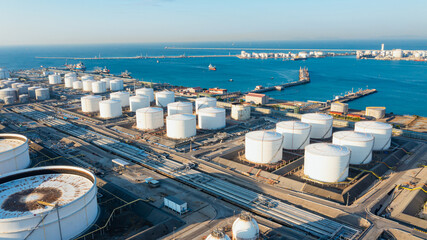
Coastal petroleum storage tanks and marine terminal infrastructure

Who we are

About Aoshan Oil Terminal in Zhoushan, China

Aoshan Oil Terminal represents petroleum storage and marine terminal infrastructure located on Aoshan Island in Zhoushan, Zhejiang Province.

The location forms part of the wider Zhoushan petroleum logistics network serving crude oil, petroleum products and maritime energy supply chains.

The combination of deep-water marine access, petroleum storage facilities and terminal infrastructure supports regional oil transportation.

Our role

Role in the Zhoushan Energy Supply Chain

Aoshan supports the movement of petroleum between ships, storage tanks and downstream supply chains.

Terminal operations bring together marine berths, transfer infrastructure, storage facilities, operational personnel and logistics processes.

01

Receive

This infrastructure helps support efficient petroleum movement within one of China's major coastal energy regions.

02

Transfer

Connect vessel operations with terminal pipelines and storage infrastructure.

03

Store

Provide large-scale storage capacity for petroleum products.

04

Coordinate

Align operational activities around cargo timing and terminal requirements.

05

Move

Support the next approved stage of the customer's logistics chain.

Aerial view of coastal petroleum storage and maritime infrastructure

Strategic location

Aoshan Island — A Strategic Zhoushan Energy Location

Location is one of the most important characteristics of a petroleum terminal.

Aoshan is positioned within the Zhoushan maritime region of Zhejiang, an area strongly connected to petroleum storage, international shipping, marine fuel activity and coastal energy logistics.

The terminal's island and marine setting supports direct interaction with tanker traffic while connecting petroleum storage infrastructure to wider regional and international supply chains.

  • Maritime Access
    Direct connection to marine petroleum movements supports tanker-based logistics.
  • Coastal Energy Network
    Zhoushan's petroleum infrastructure provides an established environment for storage, transfer, bunkering and related logistics activity.
  • International Trade Position
    The wider Ningbo-Zhoushan maritime region connects Chinese energy infrastructure with international shipping routes.

Infrastructure at scale

Petroleum Storage & Marine Infrastructure

Large petroleum cargoes require infrastructure capable of supporting significant volumes while maintaining coordinated marine and terminal operations.

Aoshan's infrastructure has developed around large-scale petroleum storage and marine transfer activity.

Storage infrastructurePetroleumCrude oil and compatible petroleum products
Marine accessTankersVessel acceptance subject to terminal confirmation
Industry historyEstablishedAoshan Island petroleum logistics
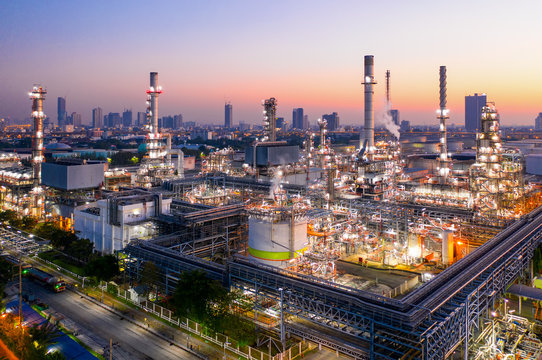
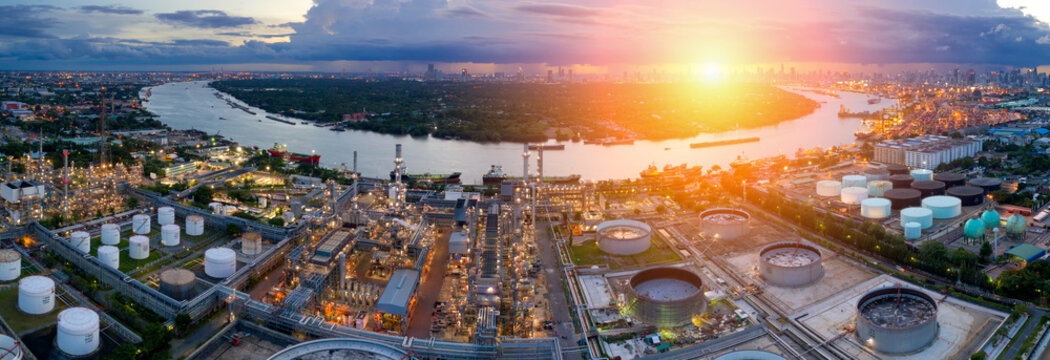
Aerial view of petroleum storage tanks integrated with processing infrastructure
Infrastructure at scaleStorage assets connected to the wider terminal system
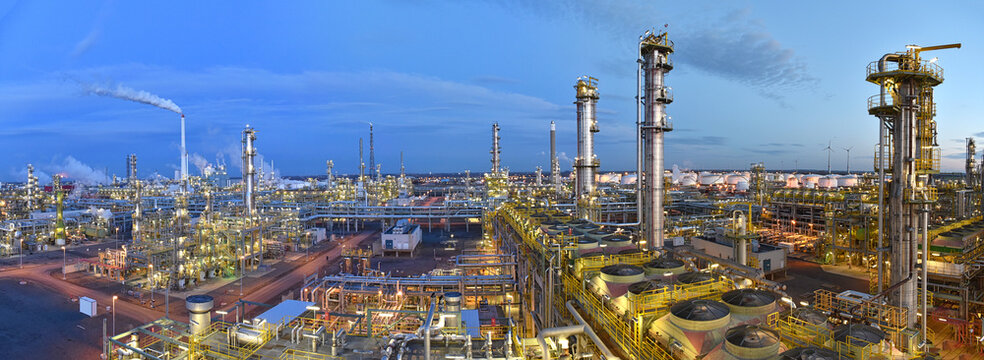
Illuminated petroleum processing and storage infrastructure viewed from above
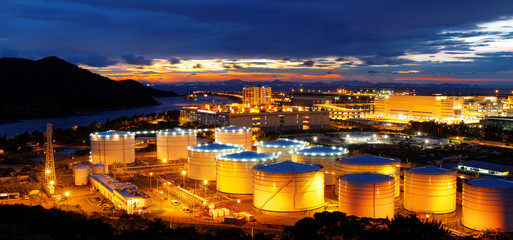
Operational continuityInfrastructure planned around continuous product movement
Illuminated petroleum tank farm and terminal infrastructure at night

Built around operations

Coordinating Vessels, Tanks & Terminal Operations

A petroleum terminal is not defined by tanks alone.

Effective operations depend on the interaction between marine berths, pipelines, pumps, tank infrastructure, control systems, people and logistics planning.

Each part affects the others. A vessel schedule influences berth planning. Berth activity influences product transfer. Transfer activity influences storage allocation. Storage decisions influence the customer's next movement.

01

Vessel Schedule

Arrival requirements shape marine planning.

02

Berth Activity

Marine access aligns with the operating window.

03

Transfer

Pipelines and pumps support controlled movement.

04

Storage

Tank allocation reflects product requirements.

05

Control

Information supports coordinated decisions.

06

Logistics

The next approved movement is prepared.

Aoshan's operational model is built around coordination between physical infrastructure and the people responsible for managing it.

What defines Aoshan

Safety, Reliability & Operational Coordination

Infrastructure

Significant petroleum storage and marine-connected assets provide the physical foundation of the terminal.

Maritime Capability

Access to major tanker operations connects terminal infrastructure directly with seaborne energy movements.

Coordination

Terminal, marine and logistics activities are managed as connected operational processes.

Safety

Petroleum handling requires clear procedures, sound equipment and emergency planning.

Technology

Digital tools support operational visibility, scheduling and coordination across terminal activity.

Adaptability

Changes in cargo specifications, marine fuels and shipping demand shape terminal planning.

How we operate

Our Focus

Safety, operational discipline and reliable petroleum handling guide the coordination of storage and marine movements.

01

Plan Before Movement

Marine coordination, environmental responsibility and transparent commercial communication support each proposed operation.

02

Protect People and Assets

Safe operations and asset integrity are fundamental to terminal performance.

03

Maintain Operational Visibility

Information must move alongside the product so teams can coordinate effectively.

04

Improve Continuously

Infrastructure, systems and procedures should evolve as operational requirements change.

Safety culture

Safety in Daily Operations

Petroleum storage and marine transfer involve complex physical systems, significant energy volumes and multiple operational interfaces.

Safety must therefore be integrated into planning, equipment management, workforce behavior, marine operations and emergency preparedness.

Safety depends on equipment condition, clear procedures and the people carrying out each operation.

Operational Discipline

Defined procedures and clear responsibilities support controlled terminal activity.

Asset Integrity

Inspection and maintenance discipline support dependable infrastructure performance.

Marine Safety

Vessel movement and berth activity require coordinated marine controls.

Emergency Preparedness

Preparedness connects people, procedures and response capability.

Environmental Protection

Responsible handling seeks to reduce avoidable environmental impact.

Workforce Awareness

Safe execution depends on informed decisions and attention throughout the operation.

Terminal engineer reviewing operational information beside industrial piping

People & operations

Infrastructure only performs through the people operating it.

Tanks, pipelines and marine facilities provide physical capacity, but reliable terminal operations depend on the people who plan, inspect, monitor and coordinate every movement.

Operational teams connect vessel schedules with berth activity, transfer systems with storage allocation and infrastructure performance with customer requirements.

Operating data and equipment records help staff plan work and assess changing conditions.

Digitally connected petroleum pipelines and terminal infrastructure

Digital evolution

Connecting physical infrastructure with better operational visibility.

Large petroleum terminals generate continuous information around vessel arrivals, tank status, cargo transfers, schedules and operational activity.

Digitalization helps bring this information together so teams can coordinate physical infrastructure with greater visibility.

Aoshan's digital development reflects a broader shift from isolated operational systems toward more connected terminal management.

Terminal Scheduling

Coordinated planning across vessel, berth and terminal requirements.

Cargo Visibility

Clearer information around cargo status and movement.

Operational Monitoring

Better awareness of infrastructure and activity status.

Marine Coordination

Shared operational information supporting marine interfaces.

Workflow Integration

Connected processes reducing isolated operational decisions.

Data-Supported Decisions

Relevant information available to support timely coordination.

Looking ahead

Responsible Development of Marine Logistics

Petroleum storage and marine logistics remain essential to global trade, but the products moving through that infrastructure are changing.

Marine fuel requirements, environmental expectations, digitalization and lower-carbon fuel development are reshaping the way terminals operate.

Aoshan's long-term relevance depends on maintaining strong conventional petroleum capability while adapting infrastructure and operational systems to changing energy requirements.

Future Marine Fuels

Emerging marine fuel activity demonstrates how existing terminal infrastructure can support new fuel pathways.

Operational Efficiency

Better coordination and digital visibility can help infrastructure operate more efficiently.

Environmental Responsibility

Terminal development must consider environmental management alongside commercial capability.

Our position in the supply chain

Between global shipping and the markets that depend on energy.

Petroleum products may travel thousands of kilometres before reaching their final destination. Terminals provide the infrastructure that allows these movements to be managed between voyages, markets and distribution stages.

Aoshan's role is to provide a physical and operational connection between seaborne petroleum cargo and the next stage of its supply chain.

01

Global Shipping

Petroleum cargo moves through international maritime trade.

02

Marine Terminal

Vessel and berth activity connect cargo with infrastructure.

03

Transfer

Product enters the terminal transfer system.

04

Storage

Designated tanks support controlled inventory.

05

Blending / Bunkering

Approved product and marine-fuel activity can follow.

06

Onward Logistics

The next authorized movement is coordinated.

07

Energy Market

Product continues toward downstream demand.

Commercial relevance

Infrastructure designed around real energy movements.

Energy Companies

Organizations requiring petroleum storage and marine-connected infrastructure.

Commodity Traders

Companies managing cargo timing, inventory and regional market movements.

Shipowners & Operators

Marine businesses requiring access to energy logistics and bunker-related infrastructure.

Fuel Suppliers

Organizations involved in petroleum and marine fuel supply chains.

Refiners & Producers

Companies moving crude or refined products through storage and distribution systems.

Logistics Partners

Organizations coordinating complex petroleum cargo movements.

Built on substance

Petroleum Infrastructure in Zhoushan

Customers need clear information about storage, berth access, product compatibility and scheduling.

They need to understand where the terminal is located, what infrastructure is available, how marine operations are supported, how safety is managed and how cargo movements are coordinated.

Explore the facilities and service pages for storage, marine handling and enquiry details.

Maritime Directories

Aoshan across maritime industry resources.

The following maritime directories include listings and photographs of Aoshan Oil Terminal in Zhoushan.

These external resources provide additional context for visitors researching the terminal, its maritime location and associated vessel activity.

Dredgepoint

Aoshan Oil Terminal — Dredgepoint

External port-industry reference listing Aoshan Oil Terminal within its international infrastructure and port information resources.

View port reference

Work with Aoshan

Commercial & Terminal Enquiries

For petroleum storage, terminal handling, vessel operations and commercial enquiries relating to Aoshan Oil Terminal, contact our team.