Sustainability

Responsible Petroleum & Marine Logistics at Aoshan

Environmental performance is an essential part of modern petroleum storage and marine terminal operations.

See the facilities, services and enquiry details below.

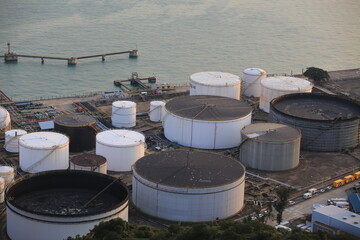
Coastal petroleum and energy infrastructure reflected across calm water
Sustainability / ResilienceResponsible infrastructure for a changing energy system

01

Operational Efficiency

Efficient scheduling, transfer planning and inventory management can reduce unnecessary vessel waiting, repeated product movements and operational inefficiency.

02

Transitioning Marine Fuels

Aoshan’s storage and marine infrastructure can form part of future lower-carbon marine-energy supply chains where technically and commercially approved.

03

Environmental Management

Priority areas include spill prevention, waste reduction, energy efficiency, water management and emission control.

04

Marine Coordination

Align vessel arrival, transfer and storage plans to reduce avoidable waiting and repeated cargo movements.

05

Energy Efficiency

Planned equipment use and responsible maintenance can reduce unnecessary energy consumption in storage and transfer operations.

06

Responsible Maintenance

Environmental performance depends on asset integrity, responsible maintenance and emergency readiness.
Our approach

Responsible Petroleum & Marine Logistics

Environmental performance depends on equipment maintenance, cargo handling, energy use and waste controls.

Responsible terminal management means reducing unnecessary impact while maintaining the reliability required by customers and the wider energy supply chain.

The priorities are spill prevention, energy efficiency, water management and responsible maintenance.

Operate Responsibly

Manage petroleum storage and transfer with strong environmental and operational controls.

Use Resources Efficiently

Reduce unnecessary energy, material and operational waste where practical.

Protect the Marine Environment

Recognize the importance of surrounding waters to the terminal's operating environment.

Adapt Infrastructure

Prepare existing assets and operating systems for changing fuel and logistics requirements.

Responsible operations

Operational Efficiency

Many sustainability improvements in industrial infrastructure come from operating existing assets more efficiently.

Better planning, equipment condition, product-transfer coordination and digital visibility can reduce unnecessary movements, delays and resource consumption.

Operational efficiency therefore supports both commercial performance and responsible resource use.

Vessel Scheduling

Coordinate marine windows to reduce avoidable waiting and disruption.

Tank Allocation

Match storage resources more effectively with product requirements.

Product Movements

Reduce unnecessary internal movements where practical.

Operational Coordination

Connect teams and activities around the same cargo movement.

Equipment Reliability

Reliable equipment supports efficient and controlled operation.

Digital Monitoring

Clearer status information can improve operational decisions.

Preventive Maintenance

Planned care can reduce avoidable disruption and inefficiency.

Workflow Visibility

Better information helps reduce disconnected activity.

Environmental management

Environmental Management

Petroleum terminals interact with the surrounding environment through product handling, marine activity, energy consumption, waste generation and water-management systems.

Effective environmental management requires these interactions to be understood and controlled as part of everyday terminal operations.

Product Containment

Storage and transfer systems should be managed to reduce the risk of unintended releases.

Water Protection

Drainage and water-management systems form an important part of responsible terminal operations.

Waste Management

Operational waste should be segregated, handled and managed through approved processes.

Air & Emissions Awareness

Terminal activity should consider emissions and applicable environmental requirements.

Housekeeping

Clean, controlled operating areas support environmental protection and operational safety.

Monitoring

Environmental conditions should be observed and managed using appropriate controls and processes.

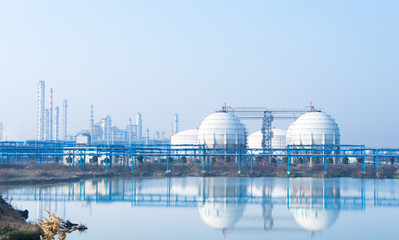
Marine-side storage vessels and industrial infrastructure reflected across calm water
Marine environmentIndustrial operations alongside surrounding waters
Circular industrial storage and water-management structures beside a coastal facility
Water responsibilityContainment and managed infrastructure form part of environmental control

Marine environment

Protecting the waters around terminal operations.

Aoshan's island and maritime setting places terminal activity directly alongside an important marine environment.

Marine responsibility extends beyond vessel movements. Product transfer, spill prevention, waste controls, emergency preparedness and operating discipline all influence the relationship between terminal infrastructure and surrounding waters.

Spill Prevention

Preventing product release remains one of the most important environmental priorities.

Vessel/Shore Coordination

Clear operating controls reduce risk during marine transfer activity.

Emergency Containment

Response preparedness supports protection of people, infrastructure and the marine environment.

Marine Waste Controls

Operational waste should be managed so it does not enter surrounding waters.

Environmental Awareness

Personnel and contractors should understand the environmental implications of terminal activity.

Prevention first

Spill Prevention

Petroleum storage and transfer require strong control of equipment condition, operating procedures and product movement. Prevention remains the first line of environmental protection.

01

Plan

Understand the movement before it begins.

02

Inspect

Confirm infrastructure and equipment are ready.

03

Transfer

Operate within approved procedures.

04

Monitor

Maintain visibility throughout product movement.

05

Detect

Identify abnormal conditions quickly.

06

Isolate

Limit escalation where appropriate.

07

Respond

Activate coordinated response capability when required.

Energy efficiency

Energy Efficiency

Storage terminals depend on pumps, transfer systems, lighting, utilities, control systems and support infrastructure.

Energy efficiency can be improved by reducing unnecessary operation, maintaining equipment condition and coordinating activities more effectively.

Pump Efficiency

Operating condition and appropriate use influence energy demand.

Equipment Maintenance

Well-maintained assets can perform more consistently.

Smart Scheduling

Coordinated activity can reduce avoidable operation.

Lighting Efficiency

Purposeful lighting use supports responsible utility demand.

Utility Management

Support systems should be operated with resource awareness.

Reduced Idle Operation

Avoid unnecessary equipment runtime where practical.

Digital Monitoring

Better visibility can support more informed energy decisions.

Operational Planning

Plan connected activities to use infrastructure efficiently.

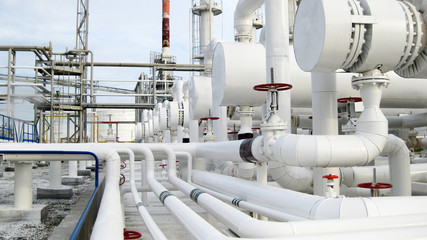
Clean petroleum pipelines and valves arranged within an operating terminal
Efficient infrastructurePurposeful pipework supports controlled product movement
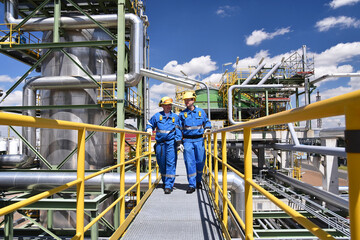
Operations personnel inspecting petroleum equipment from a raised access platform
Asset longevityInspection and maintenance support long-term infrastructure value

Long-term infrastructure

Responsible Maintenance

Industrial sustainability also means maintaining valuable infrastructure so it continues to perform safely and reliably over time.

Appropriate inspection, maintenance and asset-integrity programs can help reduce premature replacement, avoid unnecessary disruption and support long-term operational efficiency.

Tank Integrity

Storage assets require condition awareness and planned care.

Pipeline Integrity

Transfer infrastructure benefits from inspection and maintenance discipline.

Pump Reliability

Mechanical reliability supports efficient product movement.

Marine Facilities

Berth and loading infrastructure require long-term maintenance.

Electrical Infrastructure

Supporting systems contribute to dependable asset performance.

Monitoring Systems

Condition information supports timely maintenance decisions.

Planned Maintenance

Structured care can reduce avoidable interruption and replacement demand.

Long-term value

Well-maintained infrastructure can serve customers more reliably while reducing unnecessary material and replacement demand.

Digital efficiency

Better information can lead to better resource decisions.

Digital terminal systems can help operations teams see vessel schedules, tank status, product movements and equipment activity more clearly.

Greater visibility can support better planning and reduce unnecessary movements, waiting time and operational inefficiency.

Vessel Schedules

More coordinated planning across marine and terminal activity.

Tank Allocation

Better information can support more suitable storage decisions.

Transfer Planning

Connected status information supports coordinated movement.

Movement Reduction

Visibility can help avoid unnecessary internal handling.

Operational Visibility

Relevant information becomes available more quickly.

Equipment Monitoring

Condition awareness can inform operation and maintenance.

Data-Supported Decisions

Timely information supports practical resource choices.

Operations team reviewing technical plans and terminal scheduling information
Digital efficiencyBetter planning information can support more efficient resource decisions

Future marine fuels

Planning for Future Marine Fuels

Changes in marine fuels affect storage, segregation and transfer requirements.

This creates new requirements for storage, handling, segregation, transfer and operational control.

Existing petroleum terminals can play an important role in supporting this transition when infrastructure and operating systems are adapted responsibly.

Future Marine Fuels

Biofuel blends are becoming increasingly relevant to marine fuel supply chains.

Product Flexibility

New fuel pathways may require different storage, handling and quality-management approaches.

Infrastructure Readiness

Terminal capability must evolve alongside vessel demand and fuel specifications.

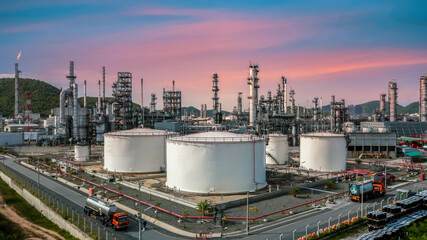
Petroleum storage tanks and terminal infrastructure beside a marine industrial area
Product flexibilityStorage infrastructure must adapt to changing product requirements
Spherical product storage vessels within a petroleum terminal at sunset
Infrastructure readinessReview tank and transfer compatibility for proposed fuels

Marine fuel planning

Transitioning Marine Fuels

Zhoushan continues to develop its position within the marine-fuel market.

Aoshan’s storage and marine infrastructure can form part of future lower-carbon marine-energy supply chains where technically and commercially approved.

Product characteristics, tank compatibility and transfer arrangements require review before any new fuel is accepted.

Fuel Requirements

Energy transition must work alongside energy reliability.

Global energy systems are changing, but customers and communities still depend on reliable fuel movement today.

Terminal sustainability requires balancing two responsibilities: maintaining dependable conventional petroleum infrastructure while preparing for emerging energy requirements.

Aoshan's role should not be presented as abandoning one energy system for another. It is about operating existing infrastructure responsibly while increasing the flexibility needed to support future products.

Product stewardship

Every product movement carries responsibility.

Petroleum and marine fuel products must be handled in a way that protects product quality, infrastructure, people and the surrounding environment.

Storage Allocation

Match products with suitable storage requirements.

Controlled Transfer

Use agreed procedures to manage each cargo transfer.

Product Segregation

Maintain appropriate separation across storage and handling.

Tank Cleanliness

Consider equipment condition in product-handling preparation.

Operational Monitoring

Maintain awareness while product is moving.

Documentation

Clear information supports controlled handling and handover.

Handling Discipline

Consistent execution protects the product and operating environment.

Resource management

Waste Reduction

Terminal activity can generate packaging, maintenance materials, operational waste and other industrial by-products.

Responsible management focuses on reducing unnecessary waste where possible, separating materials appropriately and ensuring disposal or recovery follows approved processes.

01

Reduce

Avoid unnecessary consumption where practical.

02

Reuse

Extend the useful life of materials and equipment where safe and appropriate.

03

Segregate

Separate waste streams to support appropriate handling.

04

Manage

Use approved disposal or recovery processes.

Water responsibility

Water Management

Marine and industrial terminal environments require careful management of drainage, runoff and operational water.

Responsible infrastructure should consider how water moves through the site and how potential contamination is controlled.

Drainage Systems

Site drainage forms part of environmental control.

Containment

Physical controls can help limit unintended movement.

Runoff Control

Operating areas require awareness of runoff pathways.

Water Monitoring

Relevant observations can support responsible management.

Spill Isolation

Isolation capability can help protect surrounding water systems.

Drainage Maintenance

Infrastructure condition supports continued control.

Air & emissions

Emission Control

Petroleum terminals can generate emissions through equipment operation, vessel activity, product handling and supporting infrastructure.

Responsible management should consider operational efficiency, equipment condition and applicable emissions requirements as part of terminal planning.

Equipment Efficiency

Asset condition can influence operating demand.

Vessel Coordination

Better scheduling can reduce avoidable waiting.

Vapor Awareness

Product characteristics should inform handling decisions.

Maintenance

Equipment care supports more consistent operation.

Energy Consumption

Resource awareness should inform utility and equipment use.

Operational Planning

Connected decisions can reduce unnecessary activity.

Marine stewardship

Protecting Surrounding Waters

Aoshan's location places petroleum infrastructure within a living marine environment.

Terminal planning needs to consider nearby waters, vessel traffic and other port activities.

Environmental awareness should therefore influence spill prevention, waste controls, emergency planning and operating discipline.

Resilient infrastructure

Emergency Readiness

Coastal terminals operate in environments influenced by weather, marine conditions and long-term climate-related risks.

Responsible infrastructure planning should consider resilience alongside daily operational performance.

Severe Weather Preparedness

Planning should consider disruptive weather conditions.

Marine Conditions

Changing conditions can influence terminal and vessel activity.

Drainage Capacity

Water-management infrastructure contributes to site resilience.

Emergency Planning

Preparedness connects abnormal conditions with coordinated action.

Infrastructure Durability

Long-term asset condition supports reliable operation.

Continuity Planning

Operational planning should consider recovery and continued service.

Responsibility throughout the movement

Sustainability is influenced at every stage of terminal activity.

01

Vessel Arrival

Coordinate schedules to reduce unnecessary waiting and disruption.

02

Berthing

Support efficient marine operations.

03

Transfer

Maintain controlled product movement.

04

Storage

Use suitable infrastructure and inventory planning.

05

Blending / Bunkering

Manage product handling responsibly.

06

Onward Logistics

Coordinate the next movement efficiently.

Our priorities

Practical priorities for responsible terminal operations.

Environmental Protection

Reduce avoidable operational impact on land and water.

Energy Efficiency

Operate infrastructure and utilities more effectively.

Asset Integrity

Maintain reliable infrastructure for long-term use.

Spill Prevention

Protect people, assets and the marine environment.

Future Fuels

Adapt infrastructure to changing marine-fuel requirements.

Digitalization

Use better information to improve operational efficiency.

Connected responsibility

Safety and sustainability are closely linked.

Many environmental events begin as operational failures.

Equipment inspections, safe transfers and emergency planning help protect people and the environment.

The same operating discipline that protects people can also help protect the surrounding environment.

Working across the supply chain

Sustainable infrastructure depends on coordination.

Terminal performance is influenced by customers, vessel operators, contractors, suppliers and other stakeholders working across the same logistics chain.

Progress requires communication around product requirements, operating conditions and changing market expectations.

Customers

Define product and logistics requirements clearly.

Ship Operators

Coordinate vessel activity with terminal readiness.

Bunker Suppliers

Align marine-fuel handling with operating requirements.

Contractors

Work within environmental and operating controls.

Equipment Providers

Support reliable infrastructure and informed maintenance.

Logistics Partners

Coordinate connected cargo movements efficiently.

Regulators

Provide the applicable framework for responsible operation.

Measurement & improvement

Better performance begins with understanding where improvement is possible.

Sustainability should be supported by measurable operational information wherever suitable data is available.

Energy consumption, environmental events, waste, equipment performance and operational efficiency can provide insight into where infrastructure and procedures may be improved.

Approved performance values can be added when reliable source data is available.

Energy Use

Understand operational energy demand.

Water Use

Observe resource demand where suitable data exists.

Waste

Review waste generation and handling information.

Environmental Events

Use verified operational information to identify learning.

Efficiency Measures

Assess where processes can operate more effectively.

Future-Fuel Volumes

Add confirmed data only when officially approved.

Emissions

Use appropriate verified information to support management decisions.

Responsible energy infrastructure

Commercial & Terminal Enquiries

For petroleum storage, terminal handling, vessel operations and commercial enquiries relating to Aoshan Oil Terminal, contact our team.

The objective is not to separate sustainability from terminal performance, but to make responsible operation part of how infrastructure is planned, maintained and used.