HSE

Safety is infrastructure

Disciplined controls, operational preparation and responsive management support safe handling, marine coordination and environmental responsibility.

Petroleum terminals manage complex equipment, large product volumes, marine operations and multiple operational interfaces. Safe performance therefore depends on infrastructure, people, systems and operating discipline working together.

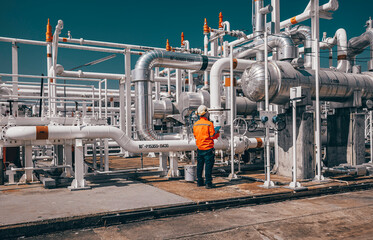
Terminal operator supervising maintenance within large petroleum pipeline infrastructure
HSE / Operational disciplineSafety embedded in people, systems and every transfer

01

Operational safety

Process design, operating discipline and communication standards support reliable terminal execution.

02

Emergency response

Preparedness frameworks address facility and marine incident response in a structured and rehearsed manner.

03

Marine safety

Vessel movement, berth operations and transfer sequencing are planned within safety-driven operating controls.

04

Asset integrity

Mechanical systems, infrastructure and maintenance discipline are essential to reliable terminal performance.

05

Environmental protection

Terminal operations seek to minimise avoidable environmental impact through governance and operational controls.

06

Workforce safety

Training, supervision and strong operational culture support safer execution among terminal teams.

Our HSE approach

Safety begins before an operation starts.

Effective oil terminal safety starts during planning. Vessel movements, product transfers, tank allocation, maintenance activity, contractor work and emergency preparedness all require hazards to be identified and controlled before work begins.

Aoshan's HSE philosophy is an operational framework connecting planning, procedures, infrastructure and human responsibility.

The objective is not simply to respond when something goes wrong. It is to create operating conditions designed to reduce the likelihood of incidents in the first place.

01

Identify

Recognize operational hazards before work begins.

02

Assess

Evaluate potential consequences and the controls required.

03

Control

Apply procedures, equipment and operational safeguards.

04

Monitor

Maintain awareness throughout the activity.

05

Review

Learn from operations and continuously improve controls.

Operational safety

Every product movement creates an operational interface.

Petroleum terminal operations bring vessels, pipelines, pumps, tanks, personnel and control systems together during the same product movement. Each interface introduces operational requirements that must be understood and managed.

Safe terminal performance depends on defined operating procedures, clear communication and continuous coordination between the people responsible for each part of the operation.

Marine Operations

Vessel arrival, berthing and transfer activity require coordination between terminal and marine teams.

Product Transfer

Loading and unloading depend on controlled transfer procedures, equipment readiness and operational monitoring.

Storage Operations

Tank allocation, product handling and inventory movement must remain within defined operating requirements.

Maintenance Activity

Work on terminal assets must be planned around operating conditions and appropriate controls.

Contractor Management

Third-party work should operate within established site safety requirements and authorization processes.

Shift Coordination

Clear communication between operating teams supports continuity of safe terminal activity.

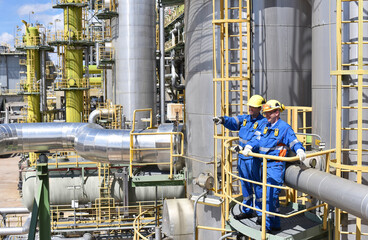
Two terminal personnel discussing work beside petroleum processing equipment
Operational safetyField inspection where people and process equipment meet
Two industrial workers inspecting large petroleum pipelines from a platform
Process safetyEquipment awareness supports controlled terminal activity

Process safety

Controlling major hazards requires more than personal safety.

Petroleum storage and transfer involve equipment, pressure, flammable products and large inventories. Managing these hazards requires attention to the integrity of the entire operating system.

Process safety focuses on preventing events that could lead to loss of containment, fire, equipment damage or wider operational consequences.

Safe Operating Limits

Terminal systems should operate within defined technical and operational boundaries.

Equipment Integrity

Tanks, pipelines, pumps, valves and transfer systems require appropriate inspection and maintenance.

Loss-of-Containment Prevention

Product handling systems must be managed to reduce the risk of unintended releases.

Change Management

Operational or technical changes should be evaluated before implementation.

Operational Readiness

Equipment and systems should be confirmed ready before critical activities begin.

Learning & Improvement

Operational experience should contribute to stronger controls and improved procedures.

Asset integrity

Reliable operations depend on reliable equipment.

Terminal infrastructure operates under demanding conditions. Storage tanks, pipelines, loading systems, pumps and marine facilities must remain capable of performing their intended functions safely.

Asset integrity combines inspection, maintenance, monitoring and operational awareness to support the continued reliability of physical infrastructure.

Storage Tank Integrity

Tank condition and containment capability remain fundamental to petroleum storage safety.

Pipeline Integrity

Transfer lines require condition awareness and controlled operation.

Pumps & Valves

Mechanical condition affects product control and transfer reliability.

Marine Loading Systems

Ship/shore equipment must support controlled transfer activity.

Electrical & Fire Systems

Supporting systems form part of safe and dependable asset performance.

Structures & Controls

Marine structures, terminal facilities and monitoring systems require continued integrity.

Operational connection

Asset integrity connects maintenance directly with operational safety.

Marine safety

Safe terminal operations extend beyond the shoreline.

Aoshan's maritime setting means marine activity is central to terminal operations. Vessel movements, berthing, cargo transfer and bunker-related activity require coordination between terminal teams and marine operations.

Safe marine operations depend on clear communication, suitable operating conditions and disciplined management of the interfaces between vessel and shore.

Vessel Coordination

Operational planning should align vessel activity with terminal readiness.

Berthing Operations

Marine and shore teams must coordinate around safe vessel positioning and terminal access.

Ship/Shore Interface

Cargo transfer requires defined communication and operational responsibilities.

Transfer Monitoring

Marine product movements should remain under active operational supervision.

Weather Awareness

Marine operating conditions can influence safe terminal activity and should be considered during planning.

Emergency Coordination

Marine and shore-based response capabilities should be capable of working together when required.

Terminal worker using a radio beside marine industrial infrastructure
Marine coordinationClear communication across the vessel and shore interface
Maintenance personnel operating a large valve within petroleum transfer equipment
Equipment controlHands-on maintenance supporting transfer reliability

People

Infrastructure is operated by people.

Safe terminal performance depends on the people who plan, operate, inspect and maintain the infrastructure.

Procedures and technology provide important safeguards, but effective HSE performance also depends on competence, communication, situational awareness and the willingness to stop or challenge unsafe conditions.

Competence

Personnel should understand the operational requirements associated with their work.

Communication

Clear information is essential when multiple teams are involved in the same operation.

PPE

Appropriate personal protective equipment supports protection against workplace hazards.

Work Authorization

Higher-risk activities should be managed through appropriate authorization and control processes.

Hazard Awareness

Teams must remain aware of changing site conditions and operational risks.

Shared Responsibility

Safety depends on every person understanding their role in protecting themselves and others.

Contractor management

One terminal. One safety expectation.

Contractors may perform maintenance, inspection, engineering, construction and specialist activities within an operating petroleum terminal environment. These activities can introduce additional interfaces between people, equipment and ongoing operations.

Contractor safety depends on clear site requirements, appropriate work planning and alignment with terminal operating controls.

Before Work

  • Site induction
  • Scope review
  • Permit requirements
  • Task risk assessment

During & After Work

  • PPE requirements
  • Supervision
  • Simultaneous operations awareness
  • Completion and handover

Controlled work

Higher-risk work requires clear authorization.

Certain terminal activities require additional controls because they may introduce ignition sources, equipment isolation requirements, confined spaces, work at height or interaction with operating systems.

A structured permit-to-work philosophy helps confirm that hazards have been considered, responsibilities are understood and appropriate safeguards are in place before work begins.

Hot Work

Potential ignition sources require specific assessment and controls.

Confined Space Entry

Restricted environments require controlled access and appropriate safeguards.

Electrical Work

Electrical hazards and energy sources must be understood before work.

Work at Height

Elevated work requires suitable access and fall-risk controls.

Equipment Isolation

Energy and product sources require controlled isolation before intervention.

Excavation & Maintenance

Work near operating systems requires awareness of buried and active infrastructure.

Emergency preparedness

Preparedness matters before an emergency occurs.

Petroleum terminal operations require the ability to respond rapidly and in a coordinated manner if abnormal conditions develop.

Emergency preparedness brings together people, equipment, communications and predefined response responsibilities so teams can act decisively when required.

Fire Response

Petroleum facilities require dedicated planning for fire prevention, detection and response.

Spill Response

Product release scenarios require containment and response capability.

Marine Emergency Response

Maritime operations may require coordinated vessel and shore-based response.

Medical Response

Workforce protection includes readiness to respond to injuries or medical emergencies.

Communications

Clear internal and external communication supports coordinated emergency response.

Drills & Exercises

Response capability should be practiced and reviewed to identify opportunities for improvement.

Terminal specialist reviewing site conditions with a tablet at dusk
ReadinessPrepared teams maintain awareness across operating areas
Terminal worker checking pipe manifolds and transfer equipment
Asset integrityEquipment condition supports prevention and response capability

Fire protection

Prevention, detection and response must work together.

Petroleum products require careful management of ignition risks and fire-response capability.

Effective fire protection is built around multiple layers: prevention, equipment integrity, detection, isolation, response systems and prepared personnel.

Fire Prevention

Control of ignition sources and operating conditions forms the first layer.

Detection Systems

Timely awareness supports faster assessment and response.

Firewater Infrastructure

Dedicated infrastructure forms part of terminal fire preparedness.

Protection Systems

Fixed and mobile capabilities provide complementary response layers.

Emergency Access

Response planning depends on maintaining suitable access to critical areas.

Marine Coordination

Shore and marine response planning should connect where operations interface.

Environment

Protecting the operating environment is part of responsible terminal management.

Petroleum terminals interact with land, water and the surrounding marine environment.

Environmental responsibility requires attention to product containment, waste management, water protection, emissions, operational housekeeping and emergency preparedness.

Spill Prevention

Product handling systems should be operated and maintained to reduce the likelihood of unintended releases.

Marine Protection

Terminal activities should consider the protection of surrounding waters and maritime environments.

Waste Management

Operational waste should be handled through appropriate collection and disposal processes.

Water Management

Drainage and water-management systems form part of terminal environmental controls.

Air & Emissions

Operational activity should consider emissions and applicable regulatory requirements.

Environmental Awareness

Workforce behavior and operating discipline influence environmental performance.

Containment & response

Prevention comes first. Preparedness follows.

Preventing loss of containment is one of the central priorities of petroleum storage and transfer operations.

This requires appropriate equipment condition, operational controls, monitoring and awareness during product movements.

Where an abnormal release occurs, response capability should focus on containment, protection of people and the surrounding environment, and coordinated recovery.

01

Prevent

Maintain barriers and disciplined operating controls.

02

Detect

Recognize abnormal conditions promptly.

03

Isolate

Limit continued product movement where appropriate.

04

Contain

Protect people, assets and surrounding areas.

05

Respond

Mobilize coordinated people and equipment.

06

Recover

Manage stabilization and responsible recovery.

07

Review

Capture learning and strengthen controls.

Marine environment

Terminal responsibility extends into the surrounding waters.

Aoshan's island setting means terminal activity takes place within a broader marine environment used by commercial shipping and other maritime activity.

Responsible operations should consider not only terminal boundaries but also the potential interaction between petroleum logistics and surrounding waters.

Spill Prevention

Containment protection begins with sound equipment and operating control.

Marine Waste Controls

Waste associated with marine activity requires appropriate handling.

Vessel/Shore Coordination

Shared awareness supports responsible activity at the marine interface.

Emergency Containment

Marine scenarios require coordinated containment readiness.

Environmental Monitoring

Relevant observations can support awareness of changing conditions.

Applicable Requirements

Marine activity should operate within relevant environmental obligations.

Risk management

Understand the hazard before controlling the work.

Risk management should be part of routine terminal planning rather than an isolated HSE exercise.

Operational teams need to understand what can go wrong, what the consequences may be and what controls are required to reduce risk to an acceptable level.

01

Identify Hazards

Understand the equipment, environment and activity involved.

02

Evaluate Risk

Consider likelihood, consequence and operational exposure.

03

Apply Controls

Use engineering, procedural and administrative safeguards where appropriate.

04

Verify Effectiveness

Confirm that controls remain effective throughout the activity.

Management of change

Changes should be understood before they become operational.

Terminal operations evolve over time. Equipment may be modified, procedures may change and new products or operating requirements may be introduced.

Changes can create new risks if their effects are not understood before implementation.

A disciplined change-management approach helps evaluate technical, operational and HSE implications before changed conditions become part of normal operations.

Continuous improvement

Strong safety systems learn.

Operational experience provides information that can improve future performance.

Observations, near misses, abnormal conditions, inspections and incidents can reveal where procedures, equipment or operating practices may need improvement.

The purpose of learning is not simply to record what happened. It is to reduce the likelihood of recurrence and strengthen the overall operating system.

Observation

Pay attention to conditions, behaviors and operating signals.

Reporting

Make relevant information available for timely review.

Investigation

Understand underlying causes, not only immediate events.

Corrective Action

Translate findings into specific improvements.

Follow-Up

Confirm actions are completed and remain effective.

Knowledge Sharing

Apply relevant learning across teams and activities.

Digital HSE

Better visibility can support safer decisions.

Digital terminal systems can improve operational awareness by bringing together information around equipment status, product movement, marine activity and terminal conditions.

Technology does not replace operating discipline, but it can support teams by making critical information easier to access and coordinate.

Equipment Monitoring

Condition information can support operational awareness.

Tank Status

Storage information supports coordinated product control.

Transfer Status

Movement information helps teams maintain shared awareness.

Alarm Visibility

Clear notification supports timely assessment.

Marine Coordination

Connected information can support vessel and shore planning.

Records & Inspections

Accessible operational information can support review and follow-up.

Terminal engineer reviewing operational information on a tablet beside process equipment
Digital HSEOperational information supporting field awareness and decisions

Safety throughout the movement

Risk controls follow the cargo from arrival to departure.

01

Vessel Arrival

Marine conditions, communication and berth readiness.

02

Berthing

Controlled vessel/shore interface.

03

Transfer

Equipment readiness, line-up and monitoring.

04

Storage

Tank integrity and inventory control.

05

Blending / Bunkering

Controlled product handling and operational coordination.

06

Onward Movement

Safe transfer and clear handover to the next stage.

Shared responsibility

Safe operations depend on clear roles.

HSE performance is strongest when everyone involved in an operation understands what they are responsible for.

Leadership

Establish expectations and provide resources for responsible operations.

Operations

Apply procedures and maintain awareness during terminal activity.

Maintenance

Protect the integrity and availability of critical infrastructure.

Contractors

Work within site controls and approved operating requirements.

Marine Teams

Coordinate vessel-related activity with shore operations.

Every Individual

Identify hazards, communicate concerns and avoid unsafe actions.

Governance

Safety requires systems as well as intent.

Strong HSE performance depends on defined responsibilities, procedures, monitoring and review.

Governance provides the framework through which operational expectations are translated into repeatable practices across the terminal.

Direction

  • Policies
  • Procedures
  • Responsibilities
  • Operational controls

Assurance

  • Inspections
  • Audits
  • Corrective actions
  • Management review

Compliance

Operating within applicable requirements.

Petroleum storage and marine terminal activities operate within technical, safety, environmental and maritime regulatory frameworks.

Aoshan's HSE position is a commitment to operating within applicable laws, regulations, permits and approved operational requirements.

Specific regulatory approvals and certification details remain subject to official confirmation.

Responsible operations

Energy infrastructure earns trust through the way it operates.

Customers, employees, contractors and surrounding communities all depend on terminal operations being planned and performed responsibly.

Aoshan's HSE story is reflected in the infrastructure we maintain, the procedures we follow, the readiness we build and the decisions made during every operation.

Safety, asset integrity and environmental responsibility are not separate from terminal performance — they are part of what makes reliable terminal performance possible.